A Living Legacy of Faith, History & Community Impact
St. Paul Church of God in Christ has served Chicago’s South Side as a place of worship, leadership, compassion, and community transformation. Established by Bishop Louis Henry Ford and rooted in Bronzeville, St. Paul carries a legacy that reaches far beyond the walls of the sanctuary.
For generations, the church has served as a spiritual home, a community anchor, and a force for opportunity. Its history is deeply connected to the story of Bronzeville, the Church of God in Christ, and the Black church’s long-standing role in building community power.
Over the decades, St. Paul has been involved in worship, spiritual leadership, food and clothing support, shelter, civil rights advocacy, employment support, youth development, senior housing, preservation, and community development. Bishop Louis Henry Ford’s leadership helped establish St. Paul as a church with both spiritual and civic influence. His ministry gained national recognition, including his historic role in delivering the eulogy for Emmett Till in 1955.
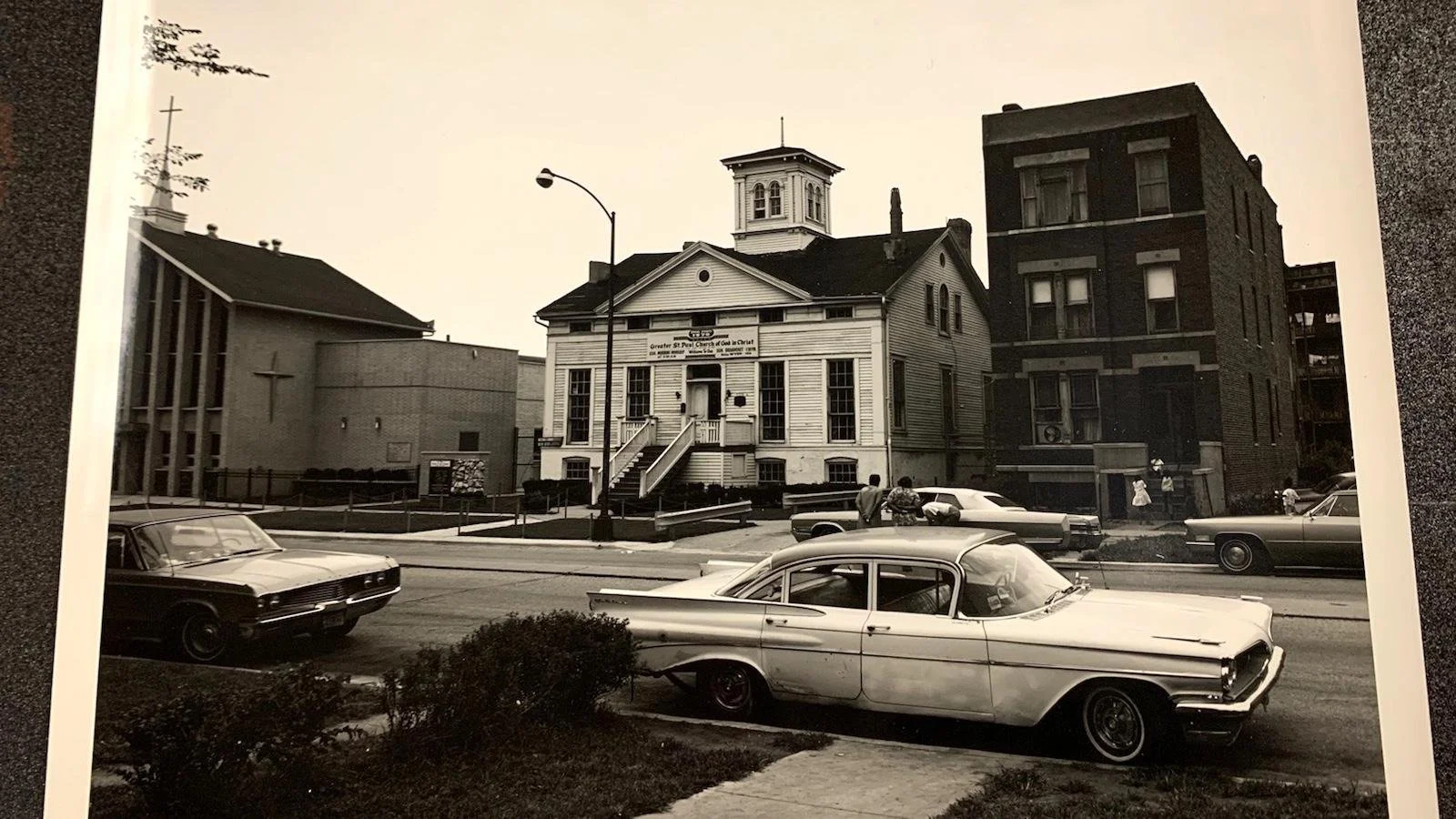
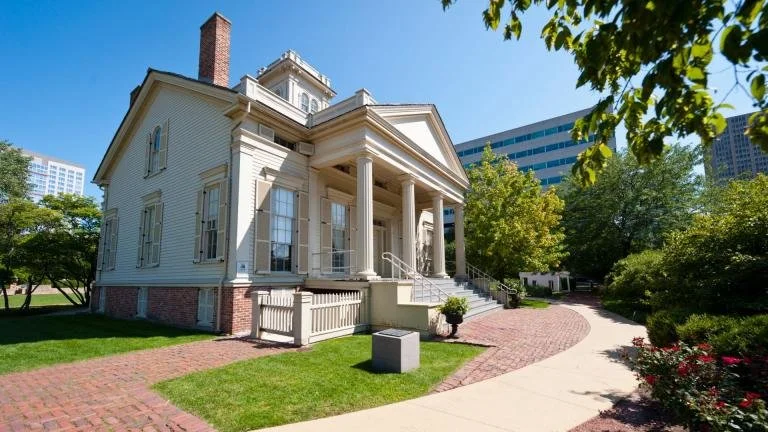
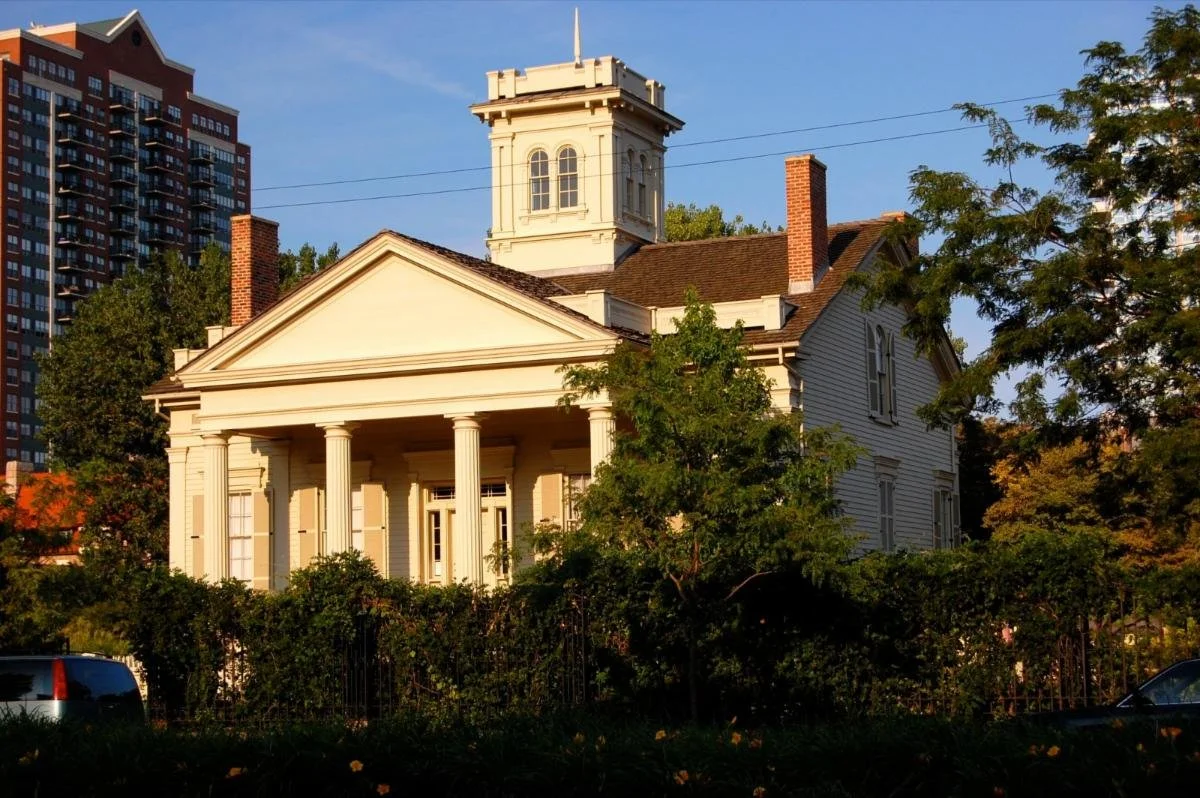
St. Paul’s history is also connected to one of Chicago’s most important historic structures: the Henry B. Clarke House. The house once stood at 4526 S. Wabash Avenue, where it served in connection with the St. Paul Church of God in Christ community before being moved to the Prairie Avenue Historic District. This connection places St. Paul within a broader story of Black stewardship, preservation, faith, and community-building in Chicago.
St. Paul’s legacy did not stop with one generation. The church’s leadership continued to expand its mission through community service, education, youth support, housing initiatives, and workforce development. Through preaching, organizing, advocacy, and community presence, Bishop Ford helped shape a ministry legacy that continues to inform St. Paul’s work today.
That legacy continues through St. Paul Community Development Ministries, a church-affiliated nonprofit focused on empowerment, career readiness, pre-apprenticeship training, and pathways into union construction careers. This work extends the church’s mission into education, employment, mentorship, and economic mobility.
Through SPCDM, participants receive support that may include classroom instruction, hands-on industry training, aptitude test preparation, job placement support, wrap-around services, resume and interview coaching, workplace safety training, and industry-recognized certifications. The program’s purpose is not only to prepare people for jobs, but to open doors to family-sustaining careers and long-term community stability.
St. Paul’s workforce development work is especially meaningful because it focuses on residents and communities that have historically faced barriers to access, employment, and economic opportunity. Its impact is measured not only in programs, but in lives changed, families strengthened, and communities positioned for greater economic participation.
Today, St. Paul continues to honor its foundation while responding to the needs of today’s families, workers, youth, elders, and neighbors. The church remains committed to preaching the Gospel, serving humanity, strengthening families, and building pathways that help people live with purpose and dignity.
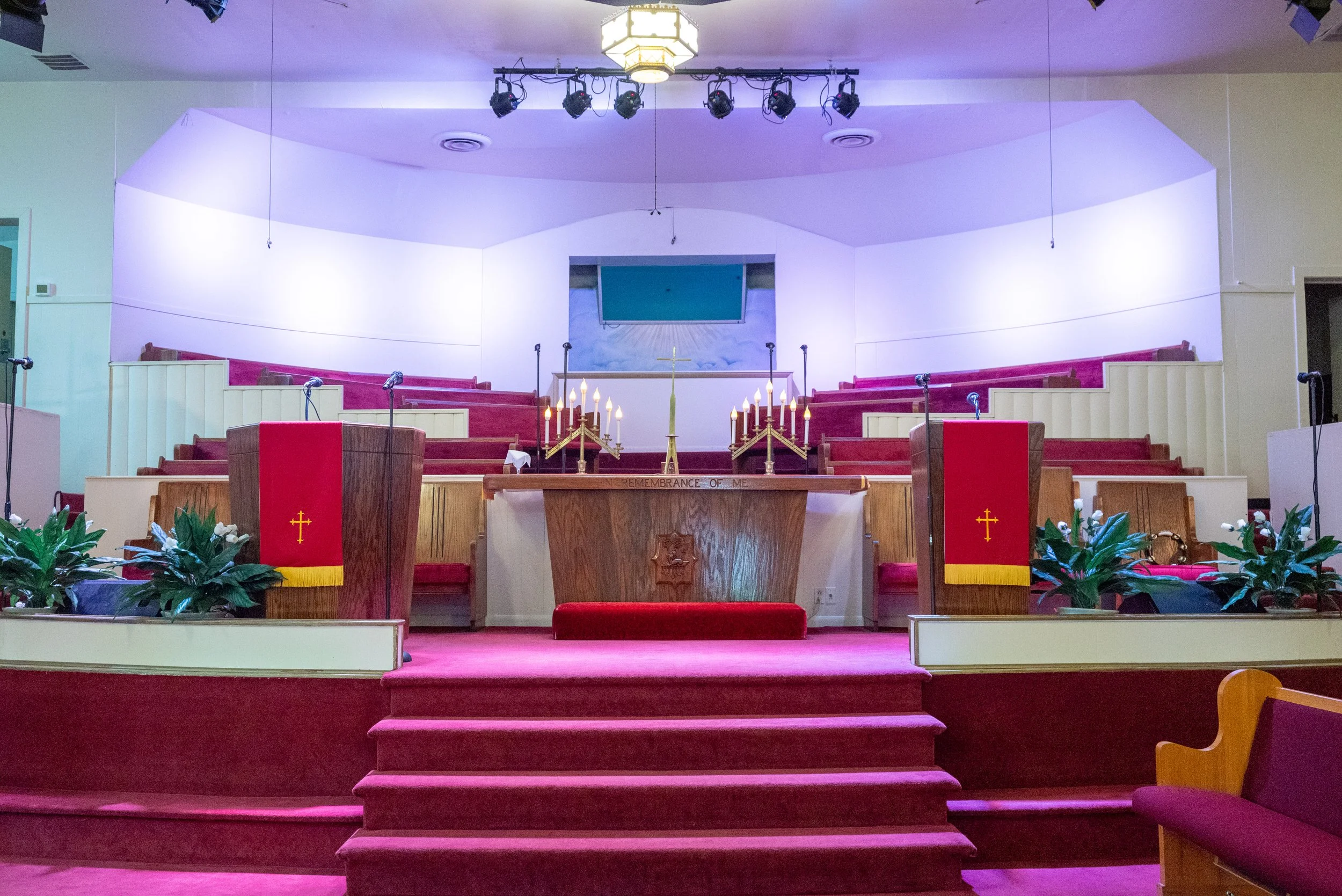
A Look Inside St. Paul Church of God in Christ

Bishop Charles Mason Ford
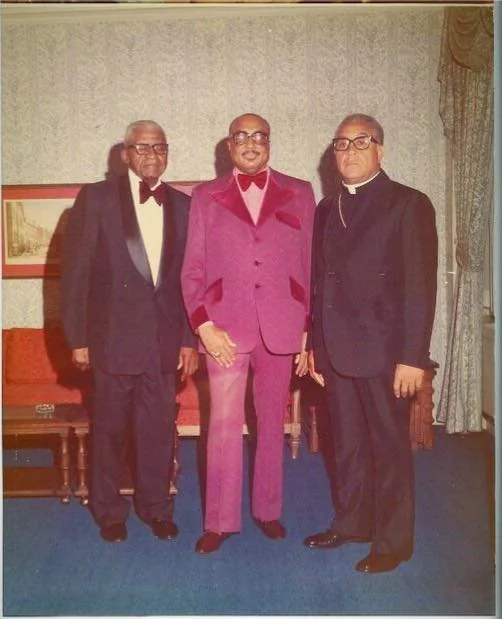
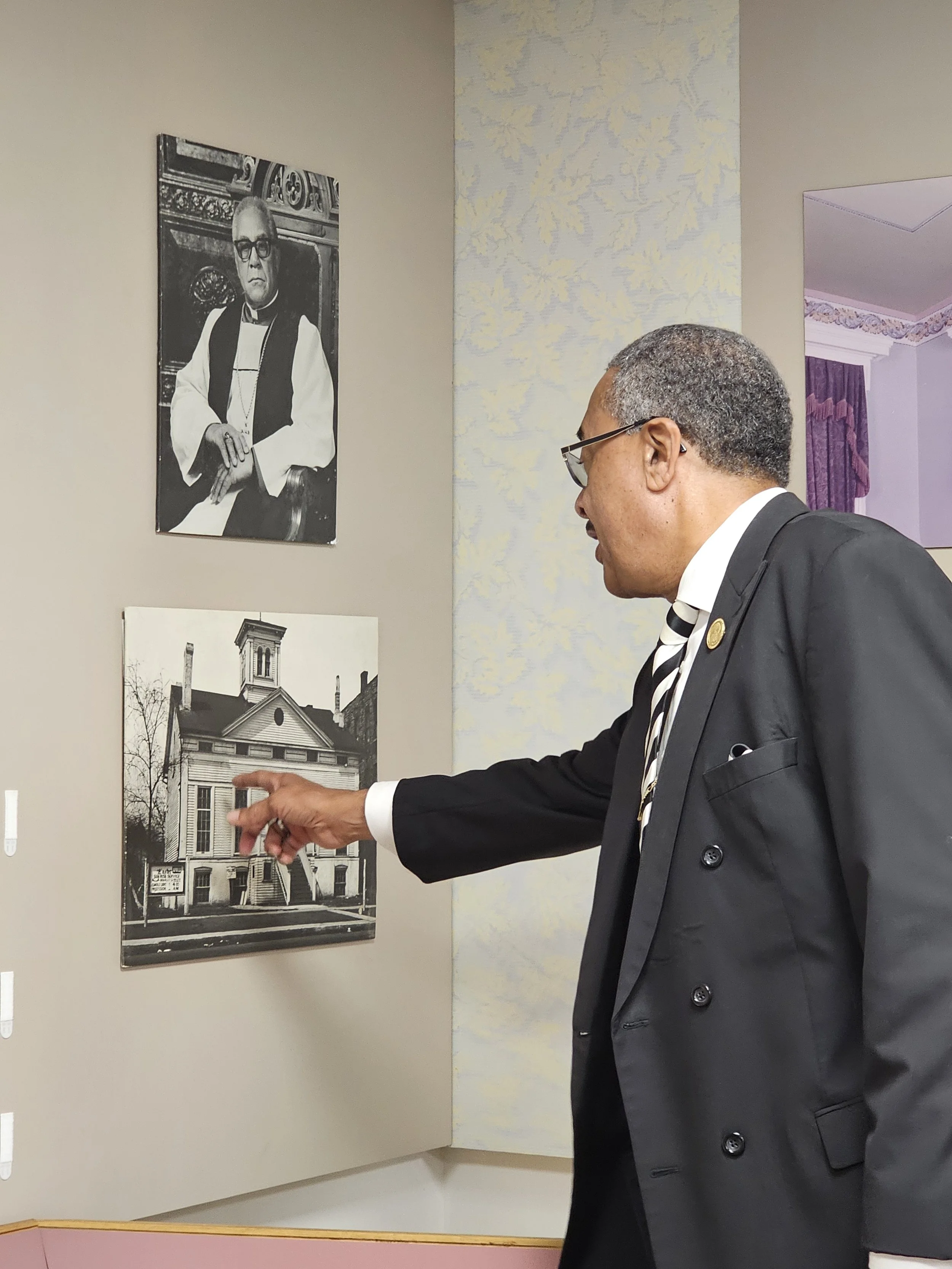
The late Bishop Charles Mason Ford carried forward the spiritual, civic, and humanitarian legacy of his father, Bishop Louis Henry Ford, with humility, vision, and a deep commitment to serving God’s people. Born on January 3, 1936, to Bishop Louis Henry Ford and Mother Margaret Grace Ford, Bishop Charles Mason Ford was raised with a strong foundation of faith, diligence, independent thought, respect for others, and love for family.
Before entering pastoral leadership, Bishop Ford distinguished himself as a community activist, public servant, and administrator for the State of Illinois and the City of Chicago. He was known for his work in civic engagement, community services, and advocacy for underserved residents throughout Chicago. His experience in government and public service later became a powerful asset in his ministry at St. Paul Church of God in Christ.
Bishop Ford was ordained in 1982 and appointed National Director of Urban Ministries for the Church of God in Christ in 1989. Following the passing of his father in 1995, he became Pastor of St. Paul Church of God in Christ, where he continued the church’s legacy of worship, service, housing, workforce development, and community transformation. Under his leadership, St. Paul expanded its ministry through the incorporation of St. Paul Church of God in Christ Community Development Ministries, the development of Margaret Ford Manor, the dedication of Victoria Jennings Residences, and the growth of programs serving children, families, seniors, people with disabilities, and individuals seeking career pathways.
Among his many achievements, Bishop Ford led the effort to honor his father through the naming of the Bishop L. H. Ford Memorial Freeway. He also served as Chairman of the National Board of Trustees of the Church of God in Christ and was later named Chairman Emeritus. In 2003, he was installed as Auxiliary Bishop by Presiding Bishop Gilbert E. Patterson.
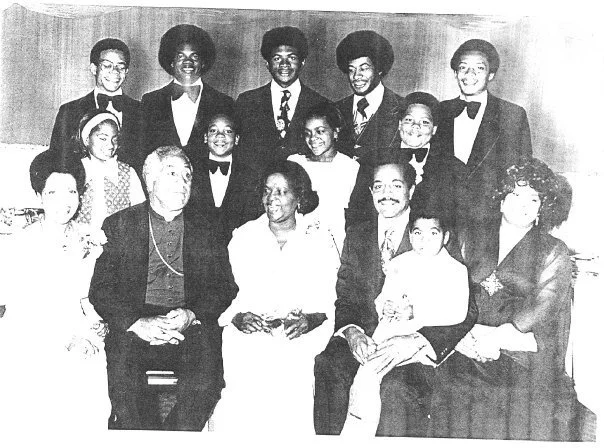
Bishop Charles Mason Ford served as Pastor of St. Paul until his retirement in 2016, earning the title of Pastor Emeritus. His life reflected a quiet strength, deep intelligence, patience, and unwavering devotion to God, family, church, and community. His legacy continues through the ministries, housing developments, workforce programs, and third-generation leadership of his son, Pastor Kevin Anthony Ford.

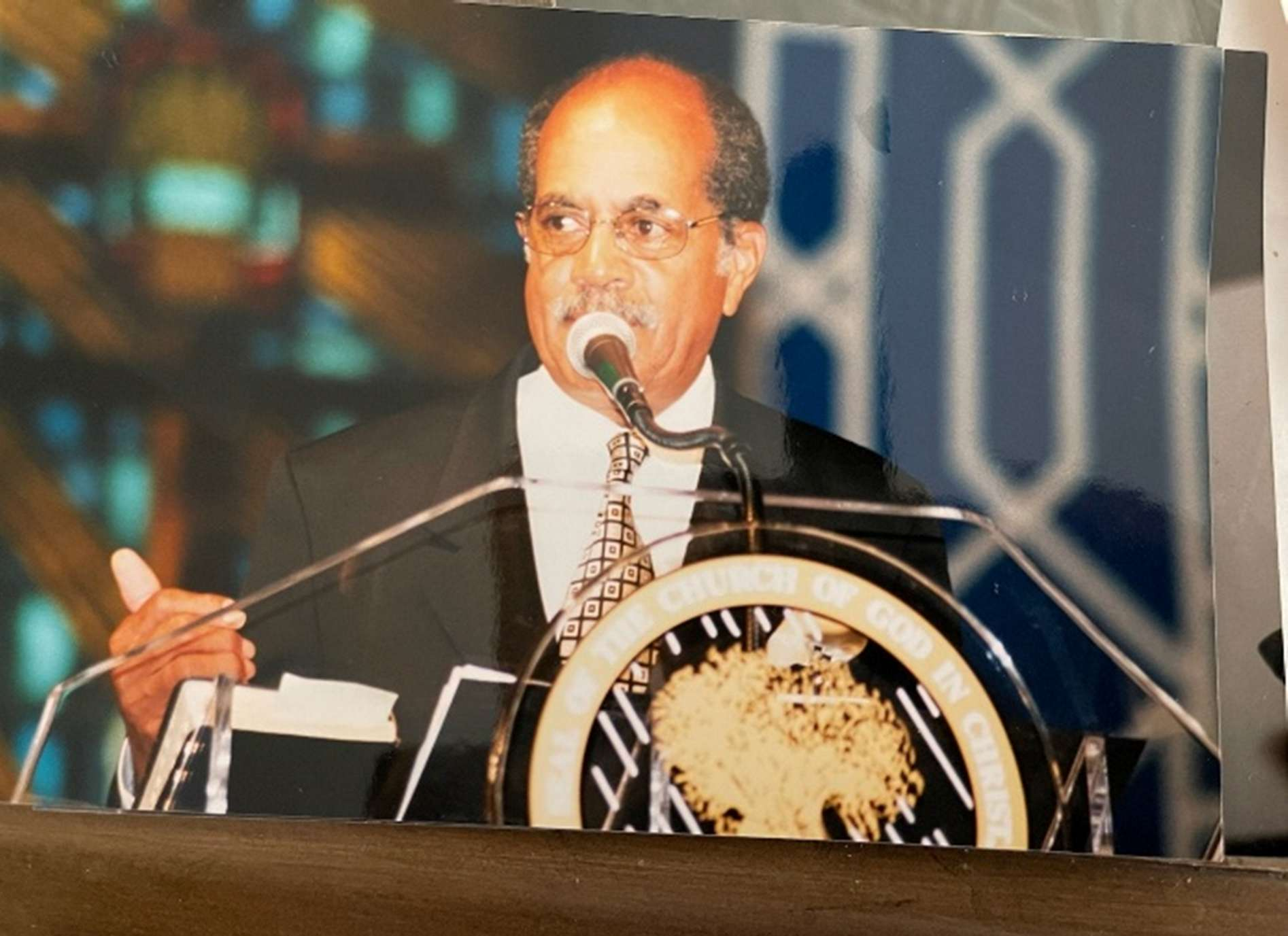
The Life & Legacy of Presiding Bishop Louis Henry Ford
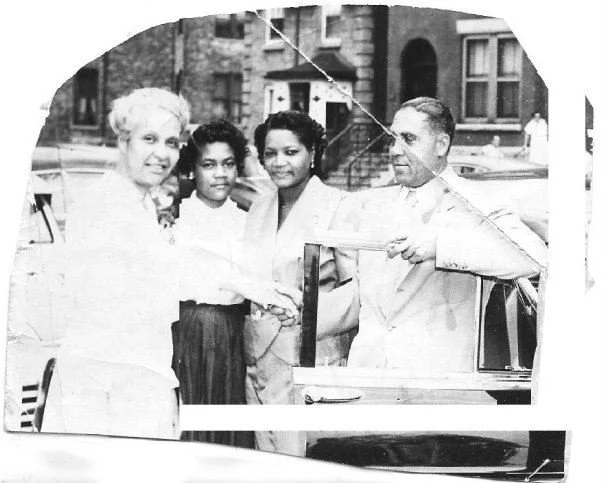
Bishop Louis Henry Ford was one of the most influential religious leaders of the 20th century and a defining figure in the history of St. Paul Church of God in Christ, the Church of God in Christ denomination, and Chicago’s South Side.
Born on May 23, 1914, in Clarksdale, Mississippi, Bishop Ford rose from humble beginnings in the Mississippi Delta to become a nationally respected pastor, civic leader, preservationist, civil rights advocate, and Presiding Bishop of the Church of God in Christ. Though he faced poverty, racism, and the loss of both parents during childhood, his life reflected deep faith, resilience, and an unwavering commitment to the Gospel.
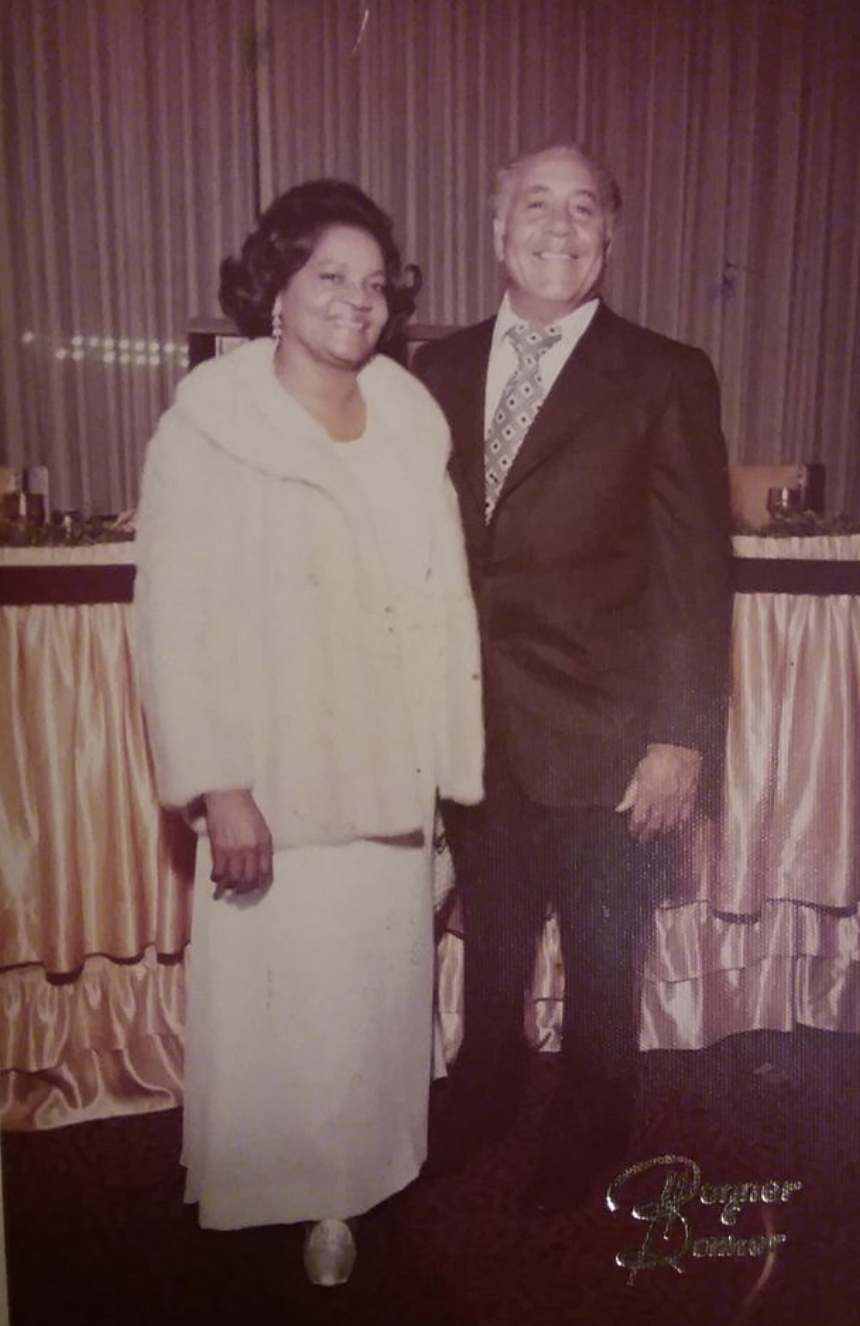
Bishop Ford’s calling to ministry began early. Raised in the Church of God in Christ, he was influenced and personally mentored by Bishop Charles Harrison Mason, the founder of COGIC. He was educated at Saints Academy and College in Lexington, Mississippi, where he was also shaped by the leadership of Dr. Arenia Mallory. After accepting his call to ministry, Bishop Ford was ordained in Chicago in 1933.
In 1934, Bishop Ford married Margaret Little of Chicago. That same year, he founded St. Paul Church of God in Christ with only three members, naming it after the mother church in Lexington, Mississippi. What began as a small congregation grew into a powerful ministry rooted in worship, holiness, service, and community transformation. Bishop Ford pastored St. Paul for more than 60 years, establishing the church as both a spiritual home and a civic force on Chicago’s South Side.
Under his leadership, St. Paul became deeply involved in the practical needs of the community. The church’s ministry extended into food and clothing support, shelter, youth development, senior housing, employment support, and advocacy for increased minority representation in police and fire departments. Bishop Ford believed the church was not only called to preach the Gospel, but to respond to the conditions affecting families, workers, children, and communities.
Bishop Ford was also a historic preservationist. In 1941, he purchased what is now known as the Clarke-Ford House, Chicago’s oldest house, decades before it became a designated landmark. His efforts to restore and preserve the home placed St. Paul within a broader story of Black stewardship, preservation, faith, and community-building in Bronzeville and Chicago.
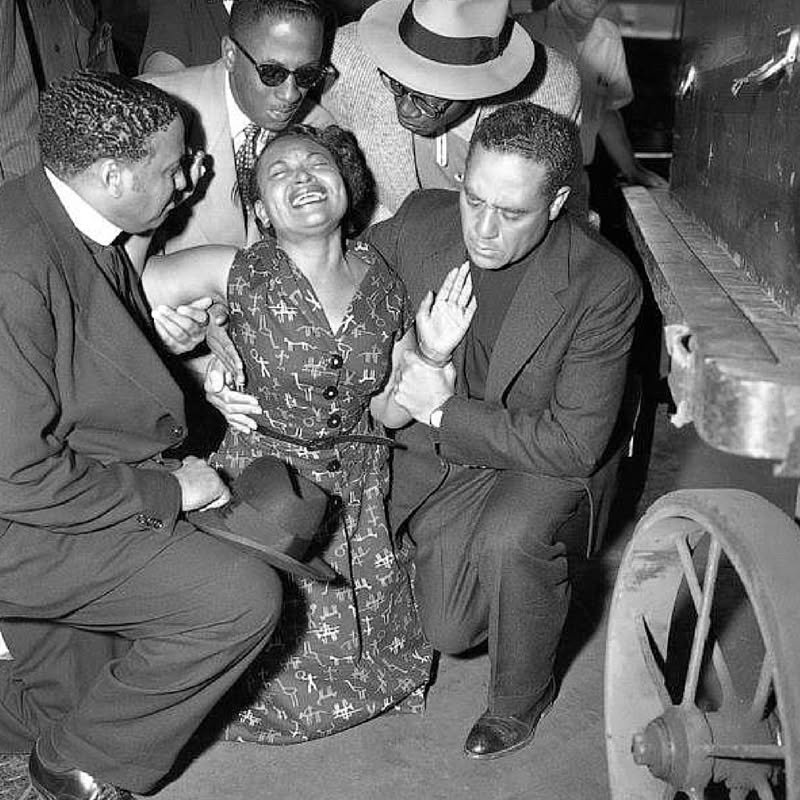
His ministry also carried national significance. In 1955, Bishop Ford served as a spiritual advisor to Mamie Till-Mobley and delivered the eulogy, “Vengeance Is Mine,” for Emmett Till at Roberts Temple Church of God in Christ. His voice and presence were part of a defining moment in the Civil Rights Movement. In 1966, he also helped organize buses for church members and community residents to attend the civil rights rally at Soldier Field where Dr. Martin Luther King Jr. spoke.
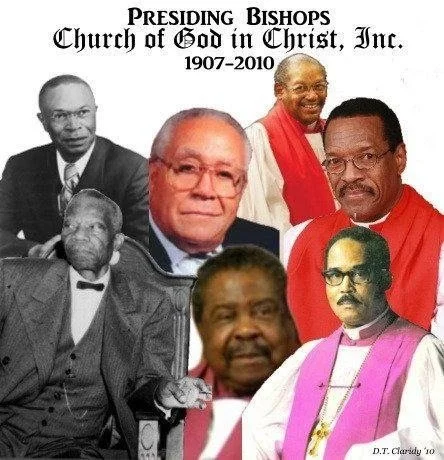
In 1947, Bishop Ford was appointed Bishop at the age of 33. Over the years, he served the Church of God in Christ in numerous leadership roles, including National Public Relations Director, Vice President of the Church, founding prelate of the Historic First Ecclesiastical Jurisdiction of Illinois, and ultimately Presiding Bishop and Chief Apostle of the Church of God in Christ from 1990 to 1995.
As Presiding Bishop, Bishop Ford emphasized restoration, holiness, Pentecostal roots, youth development, education, and humanitarian service. He helped reopen Saints Academy, supported mentoring and job-training programs, established shelters and senior housing, and contributed personally to institutional and educational projects connected to the church. His vision reflected a belief that ministry should save souls, strengthen communities, and create pathways for the next generation.
Bishop Ford’s influence reached across religious, civic, cultural, and political life. He was recognized by Ebony magazine as one of the 100 Most Influential Black Americans and was connected to national leaders, artists, clergy, presidents, mayors, senators, and civil rights figures. Yet even with national recognition, his work remained grounded in faith, holiness, children, families, and the community he served through St. Paul.
Bishop Louis Henry Ford passed away on March 31, 1995, but his legacy continues. The Bishop Louis Henry Ford Freeway in Illinois stands as one public memorial to his life and service. More importantly, his legacy lives on through St. Paul Church of God in Christ, the continued work of St. Paul Community Development Ministries, and the generations of people impacted by his preaching, advocacy, preservation work, and commitment to community uplift.
Bishop Ford’s life reminds us that faith can build more than a congregation. It can build institutions, protect history, challenge injustice, serve families, and create opportunity for generations to come.

The Clarke-Ford House Legacy
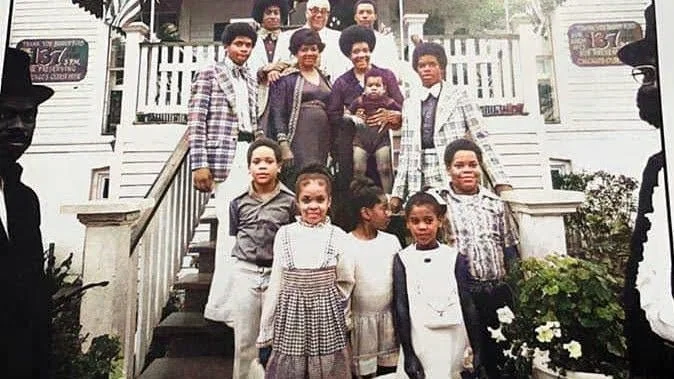
St. Paul Church of God in Christ holds a meaningful place in Chicago’s preservation history through its connection to the Henry B. Clarke House, one of the city’s oldest surviving houses. The home once stood at 4526 S. Wabash Avenue, next to St. Paul’s church community, before it was later moved to the Prairie Avenue Historic District.
This history is especially significant because the house is now also recognized in public reporting as the Clarke-Ford House, honoring the stewardship of Bishop Louis Henry Ford and Mother Margaret Ford. Their role in preserving the home reflects a powerful chapter in St. Paul’s legacy: a Black church community helping protect and carry forward one of Chicago’s oldest historic structures.
Bishop Ford purchased the home in 1941, decades before Chicago had the formal landmark protections that exist today. At a time when historic preservation often overlooked Black communities and Black institutions, Bishop Ford saw value in protecting a structure that carried deep significance for the city. His leadership placed St. Paul within a broader story of faith, stewardship, preservation, and community responsibility.
For St. Paul, the Clarke-Ford House legacy is more than a building story. It is a reminder that the church has long been committed to preserving what matters: history, community, dignity, and opportunity. The same spirit that shaped St. Paul’s worship and ministry also shaped its care for the physical and cultural landscape of Bronzeville.
Today, the Clarke-Ford House connection stands as part of St. Paul’s enduring witness on Chicago’s South Side. It reflects how the church’s impact has extended beyond Sunday service into civic life, historic preservation, and the protection of community memory for future generations.
Margaret Ford Manor
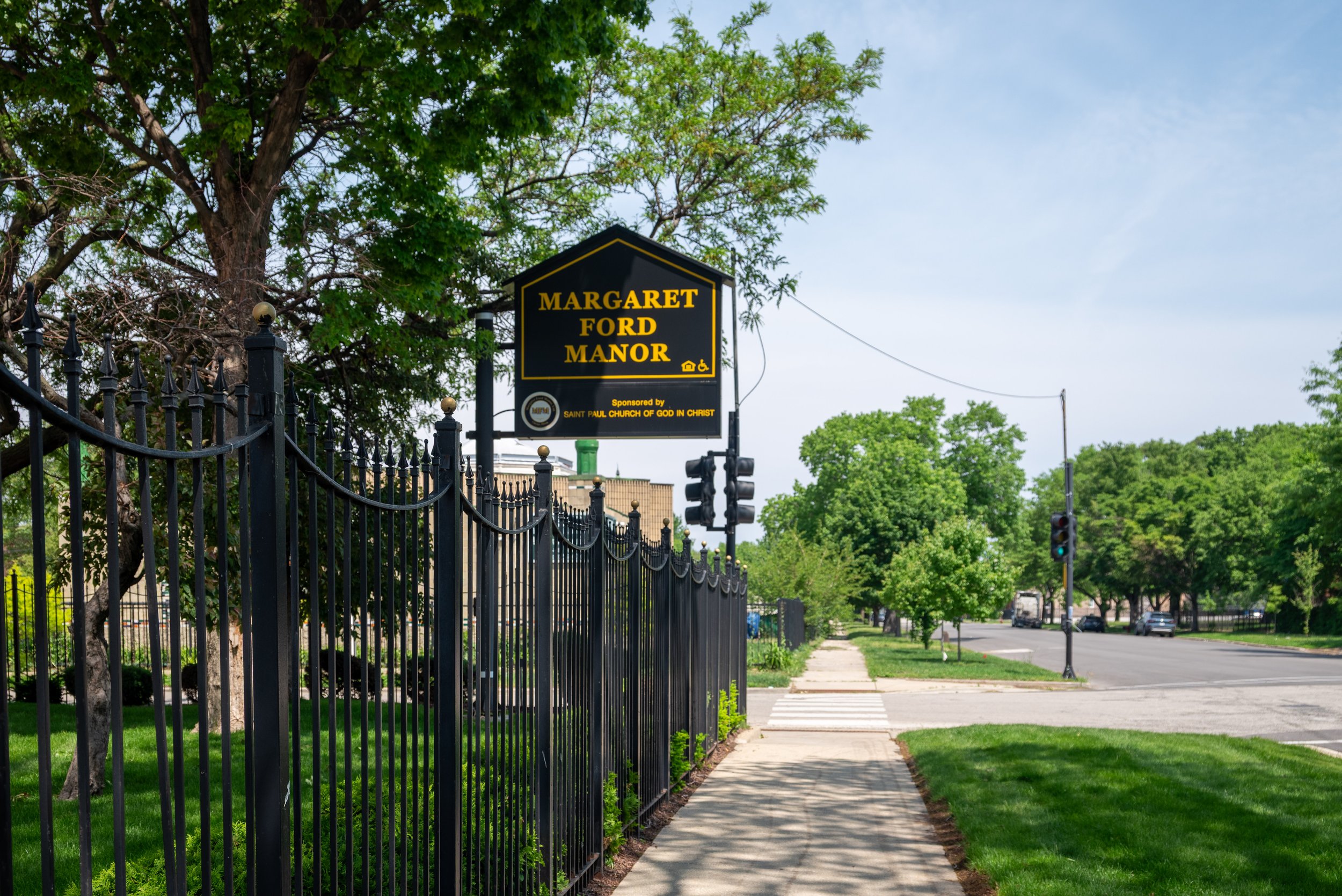
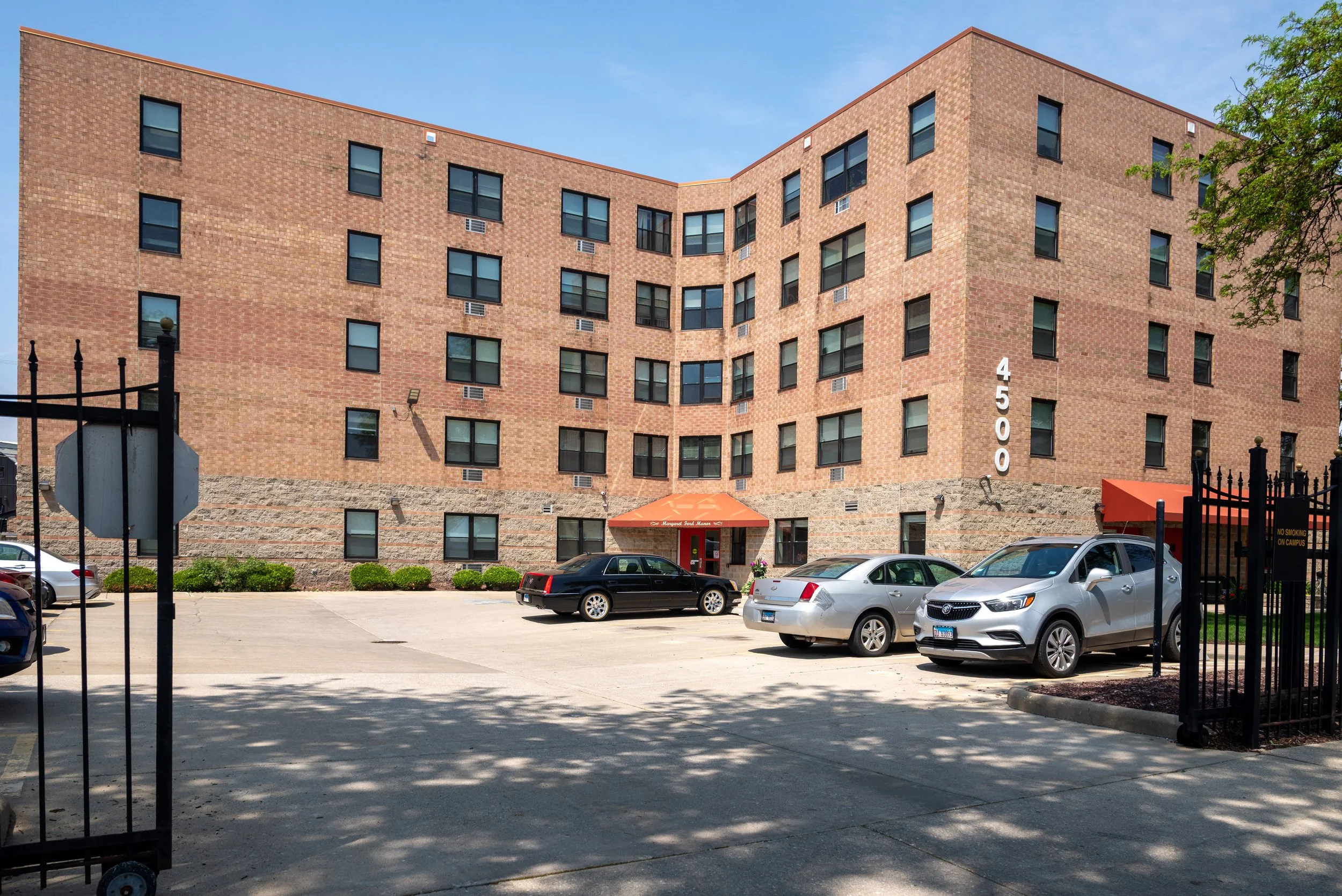
Margaret Ford Manor reflects St. Paul Church of God in Christ’s long-standing commitment to serving seniors, families, and the broader Bronzeville community. Named in honor of Mother Margaret Ford, the wife of Bishop Louis Henry Ford, the residence carries forward the church’s legacy of compassion, dignity, and practical care.
The connection between St. Paul and Margaret Ford Manor is rooted in the church’s belief that ministry extends beyond the sanctuary. For generations, St. Paul has understood housing as part of community stability, especially for elders who deserve safe, supportive, and dignified places to live. Margaret Ford Manor stands as a continuation of that vision.
Through this legacy, St. Paul’s ministry can be seen not only in worship services and spiritual leadership, but also in the creation of community-centered spaces that support quality of life. Margaret Ford Manor honors Mother Ford’s name while reflecting the church’s broader mission to care for the whole person and strengthen the whole community.
Victoria Jennings Residences
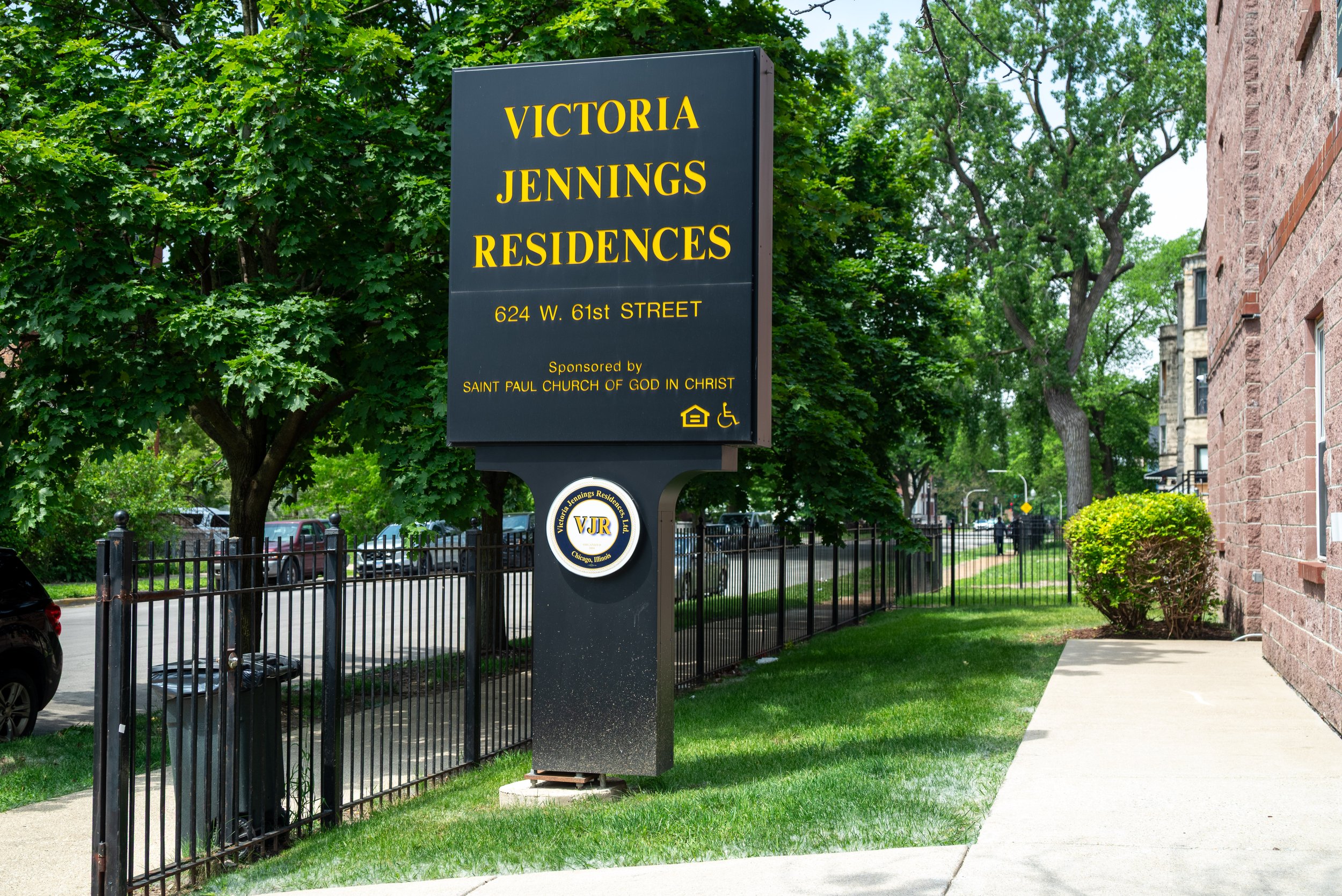
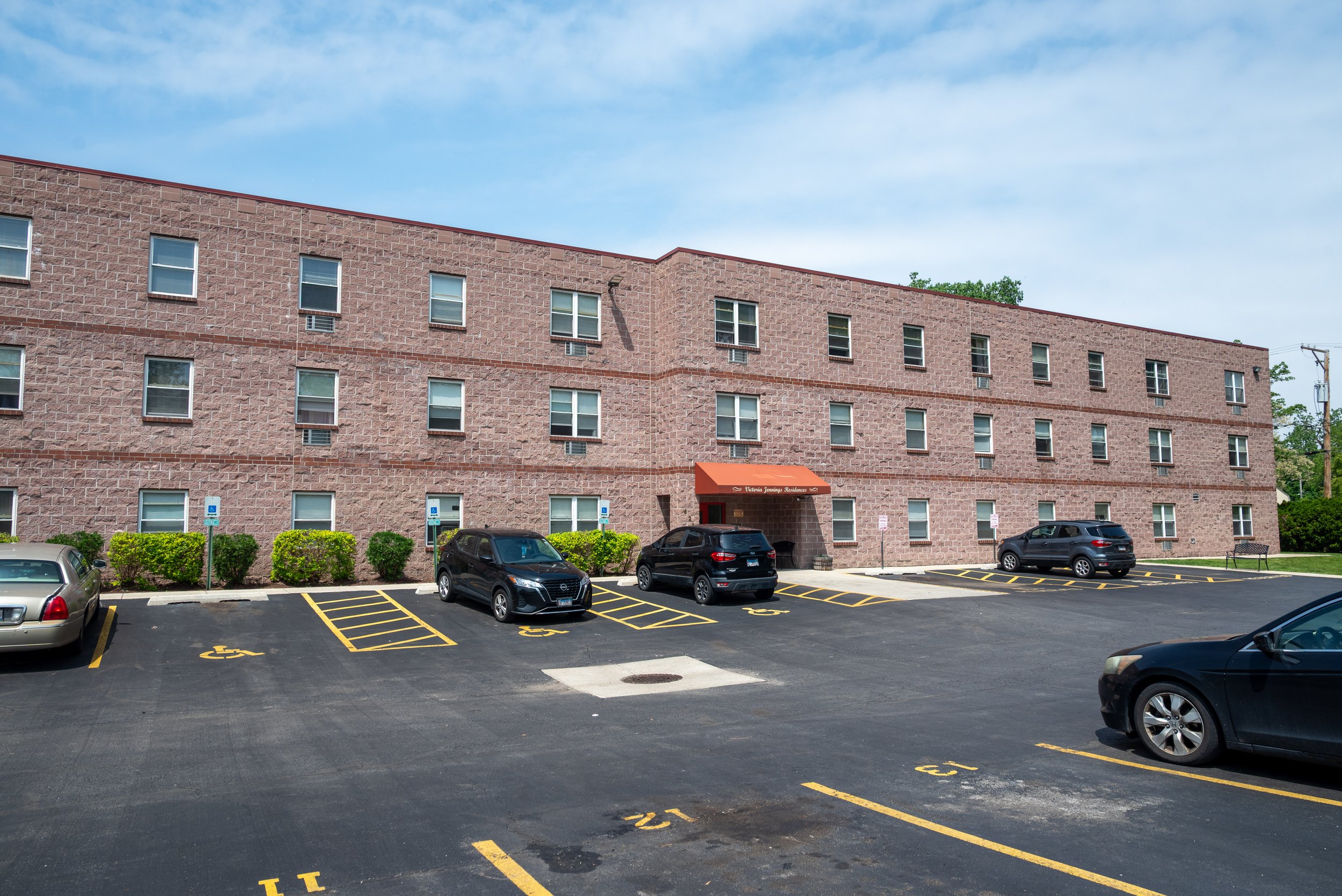
Victoria Jennings Residences also connects to St. Paul Church of God in Christ’s broader history of community development, housing support, and service to Chicago’s South Side. As part of the network of community-centered housing connected to St. Paul’s legacy, the residence reflects the church’s ongoing concern for stability, dignity, and opportunity.
St. Paul’s work has always been grounded in the needs of real people and families. The church’s history includes spiritual leadership, civil rights advocacy, employment support, youth development, senior housing, and community development. Victoria Jennings Residences fits within that larger story of a church helping create pathways for people to live with greater security and support.
Together, Victoria Jennings Residences and other St. Paul-connected community assets show how the church’s mission has grown across generations. They represent faith made visible through housing, service, and care for neighbors. Through this work, St. Paul continues to serve as a spiritual home and a community anchor for Bronzeville and the surrounding South Side.